Painting Miniatures
To be a member of the realm of the Miniature feels like an honorary initiation into a secret world, one that is carved out of the cracks between all things noticed, a micro stratosphere of silence between earth and deep space. I have always found sanctuary in this world, one that feels like an overgrown forest path noticed by only a few and therefore largely left undisturbed. Access requests a slower pace, attention, patience, and an imagination that can bend a grain of sand into a bejewelled blanket of electric stars. It is here that a single word can echo the mysteries of the universe, just as the placement of single dot on paper can alter the course of the trajectory of an artwork. Finality cannot come into existence without the micro decisions contained within the outstretched landscape between self and the far horizon.
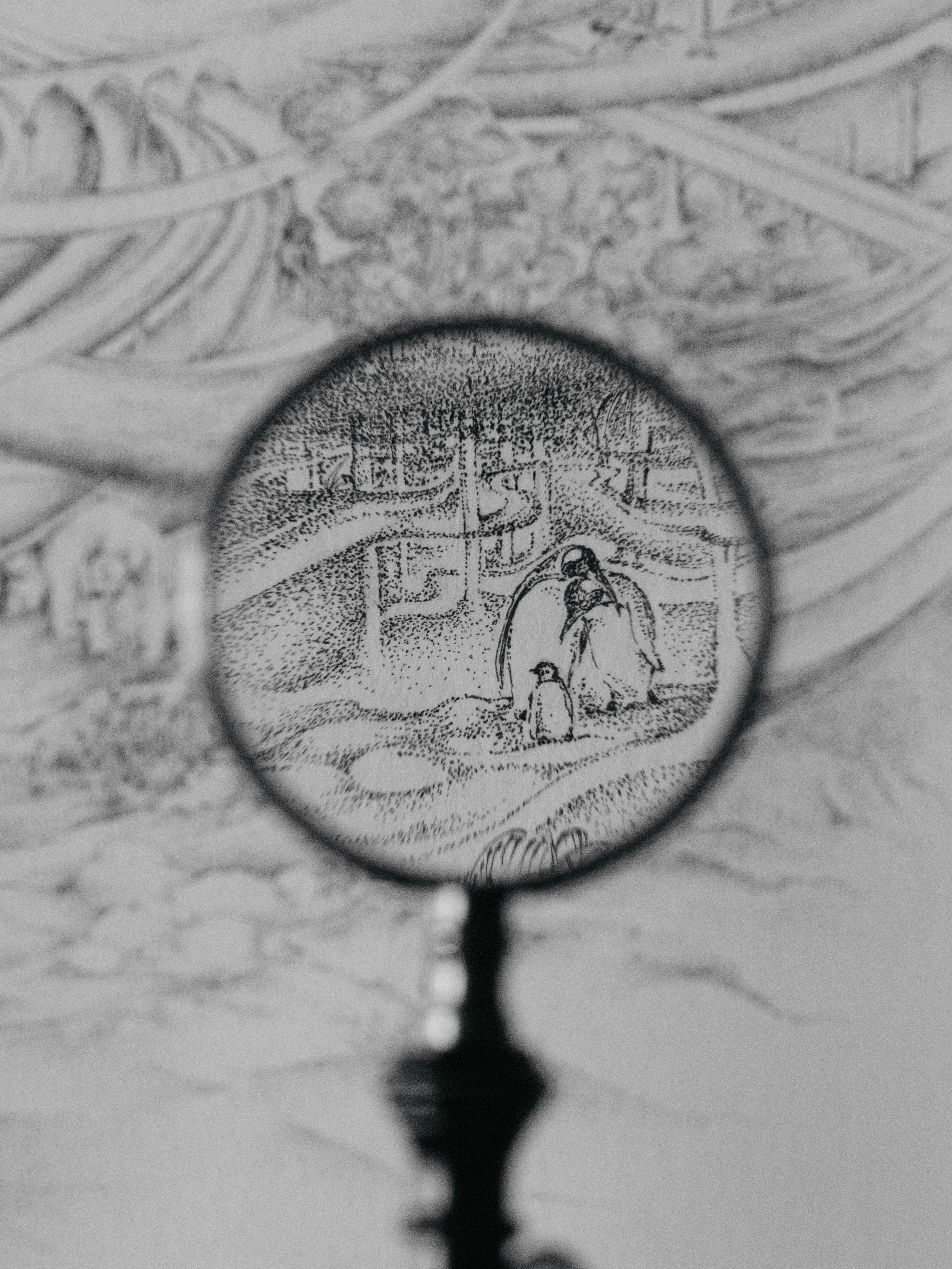
My first drawing tool belonging to this world was a Rotring technical, nib size .13. With these pens I started making stippled mandalas, and then embarked on larger drawings that now form the GAIA Series. These drawings are never planned, instead the dots lead the way like ants carving out a maze of underground tunnels guided by some unknown force of consciousness. Unfortunately these nibs are no longer in production - the need for them has been extinguished by the transference of technical drawing to the digital world and even though I’ve collected as many as I can any future stippled drawings are limited to their precarious life span.
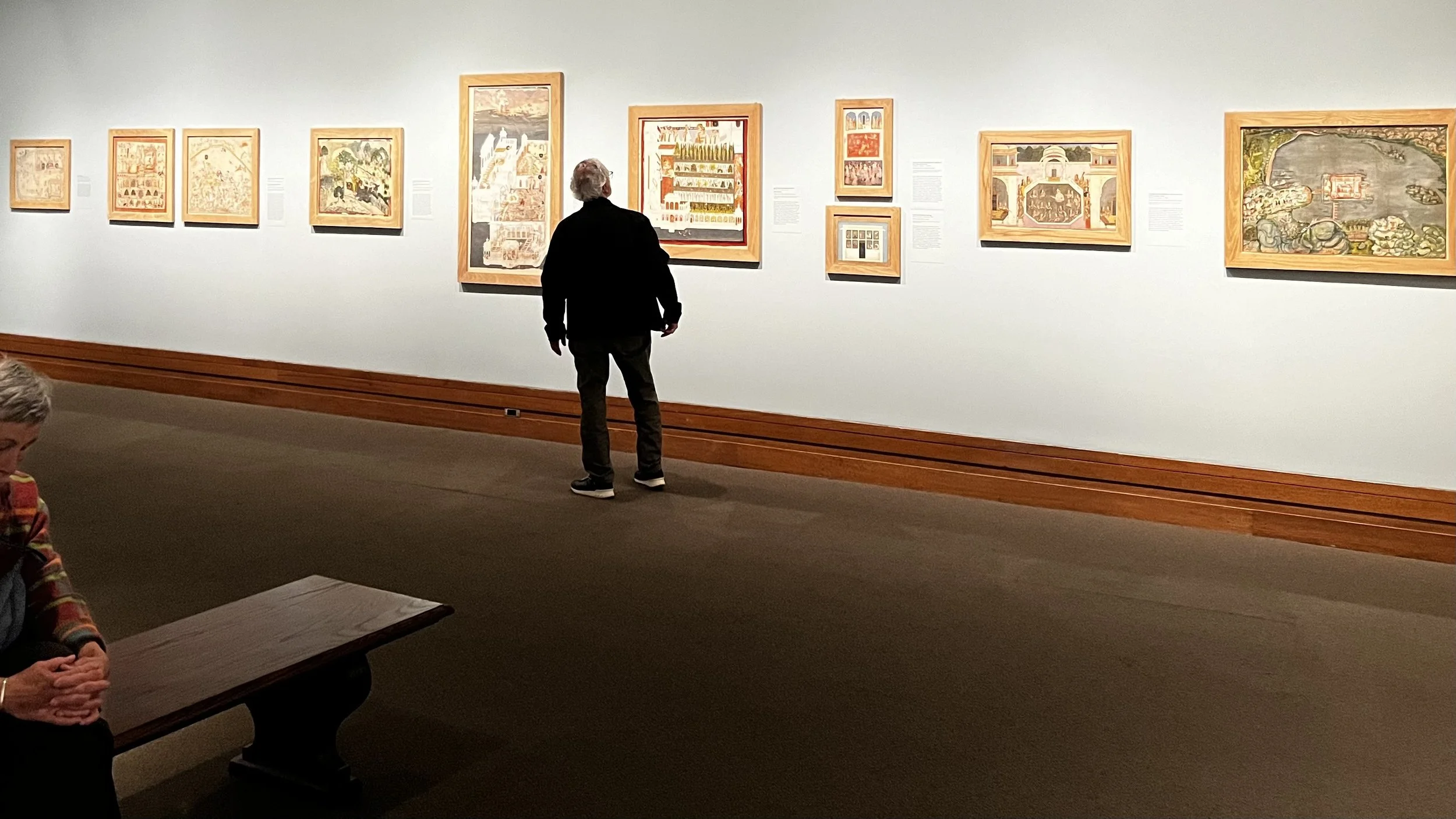
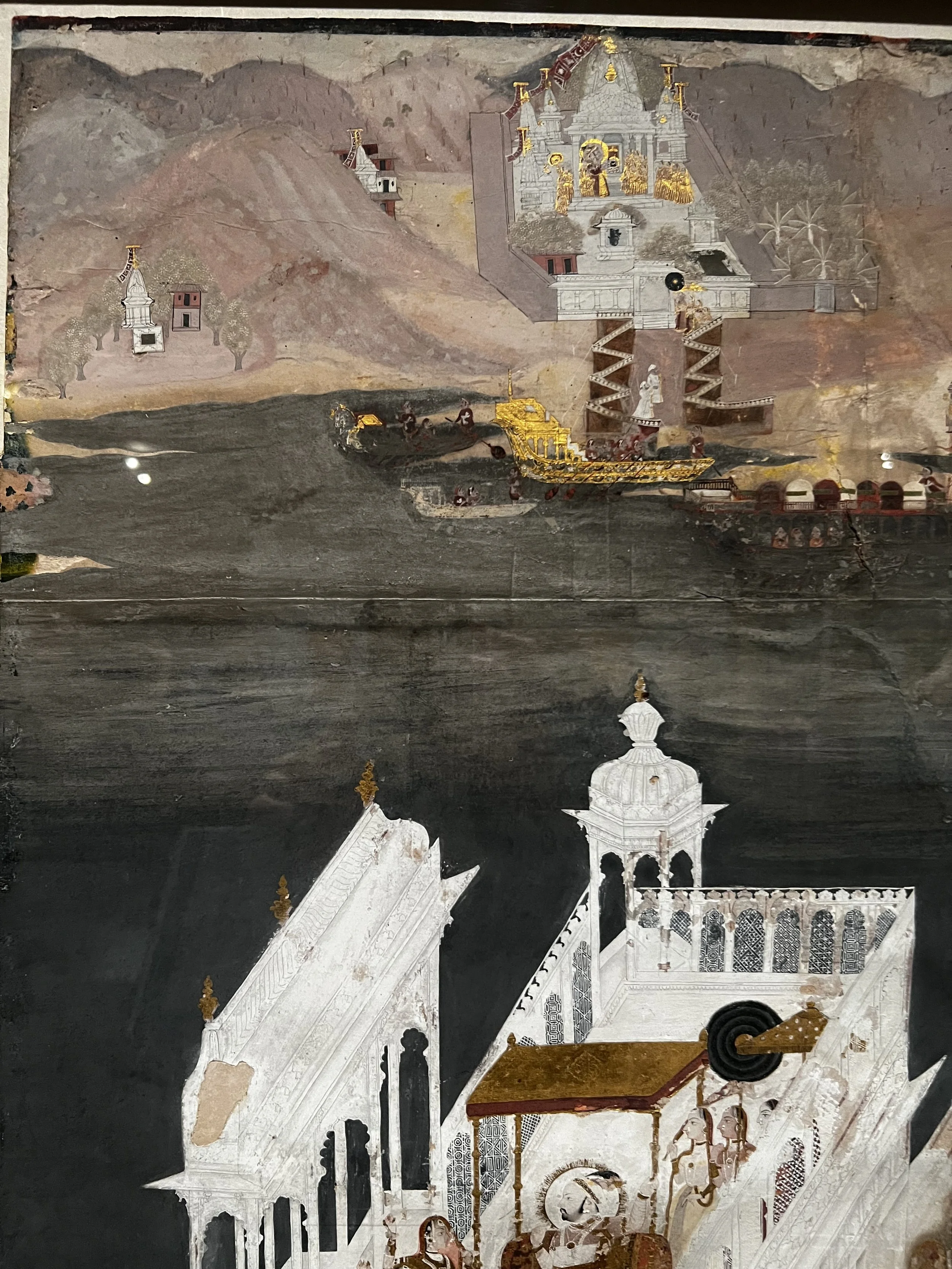
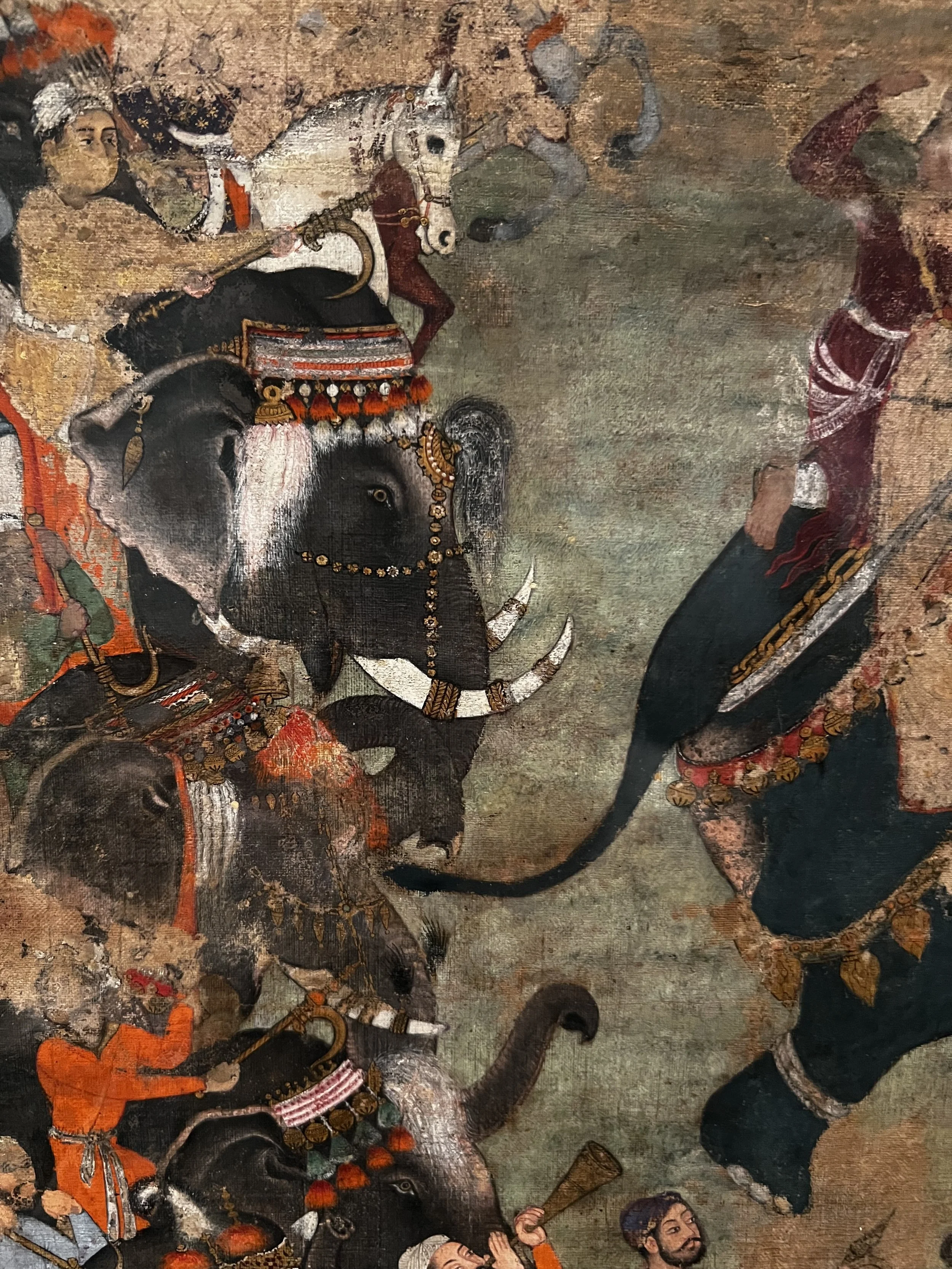
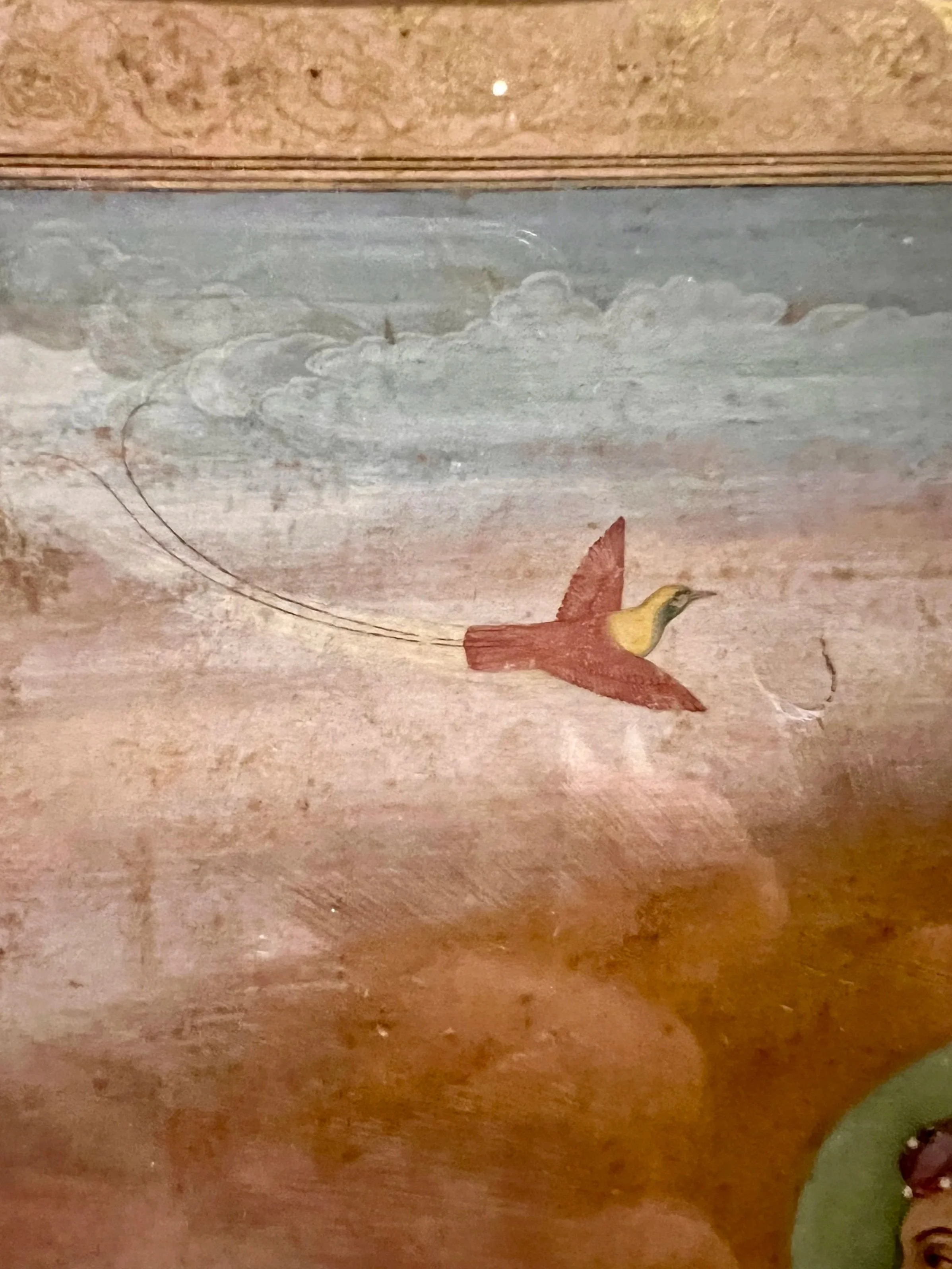
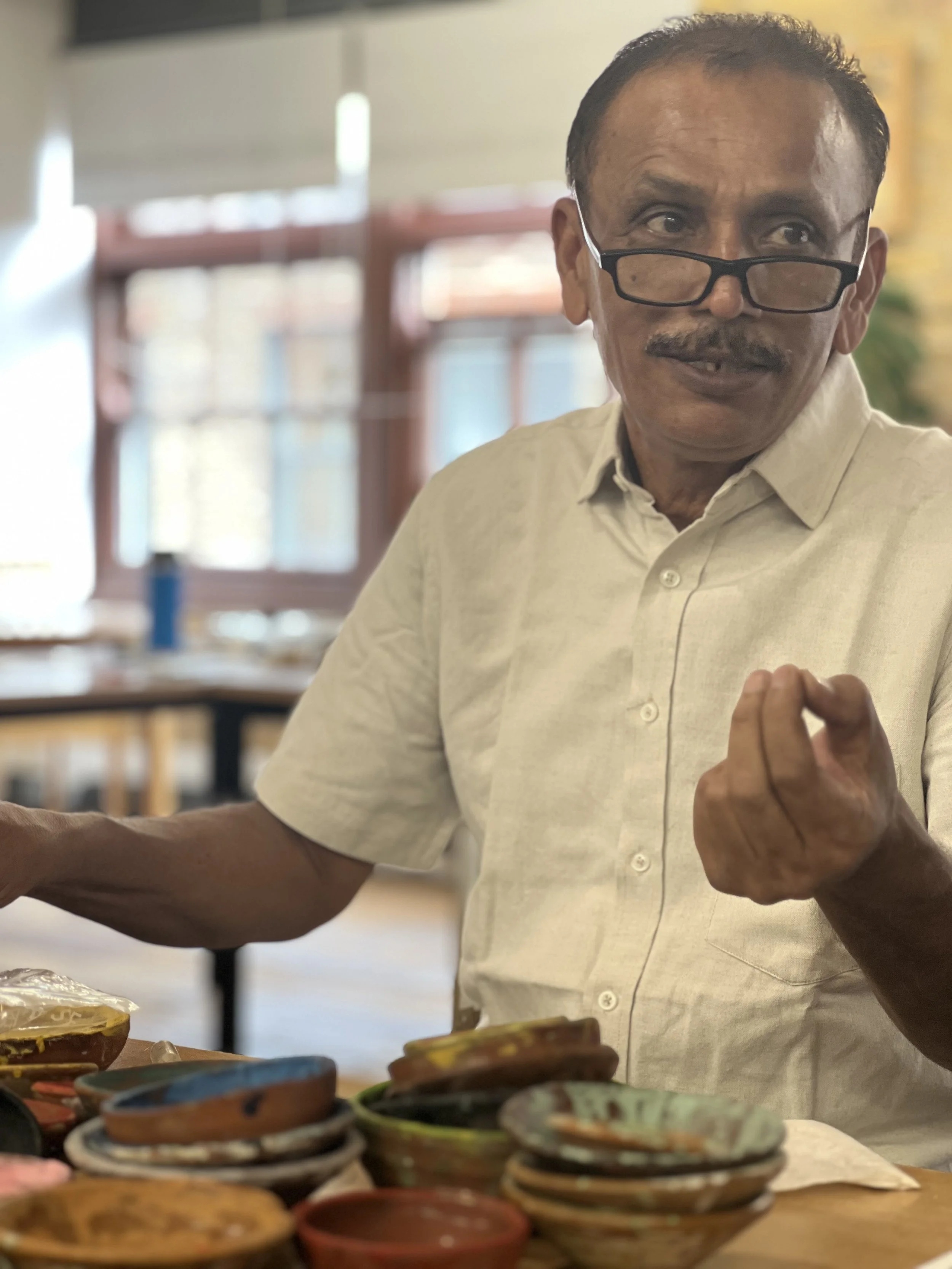
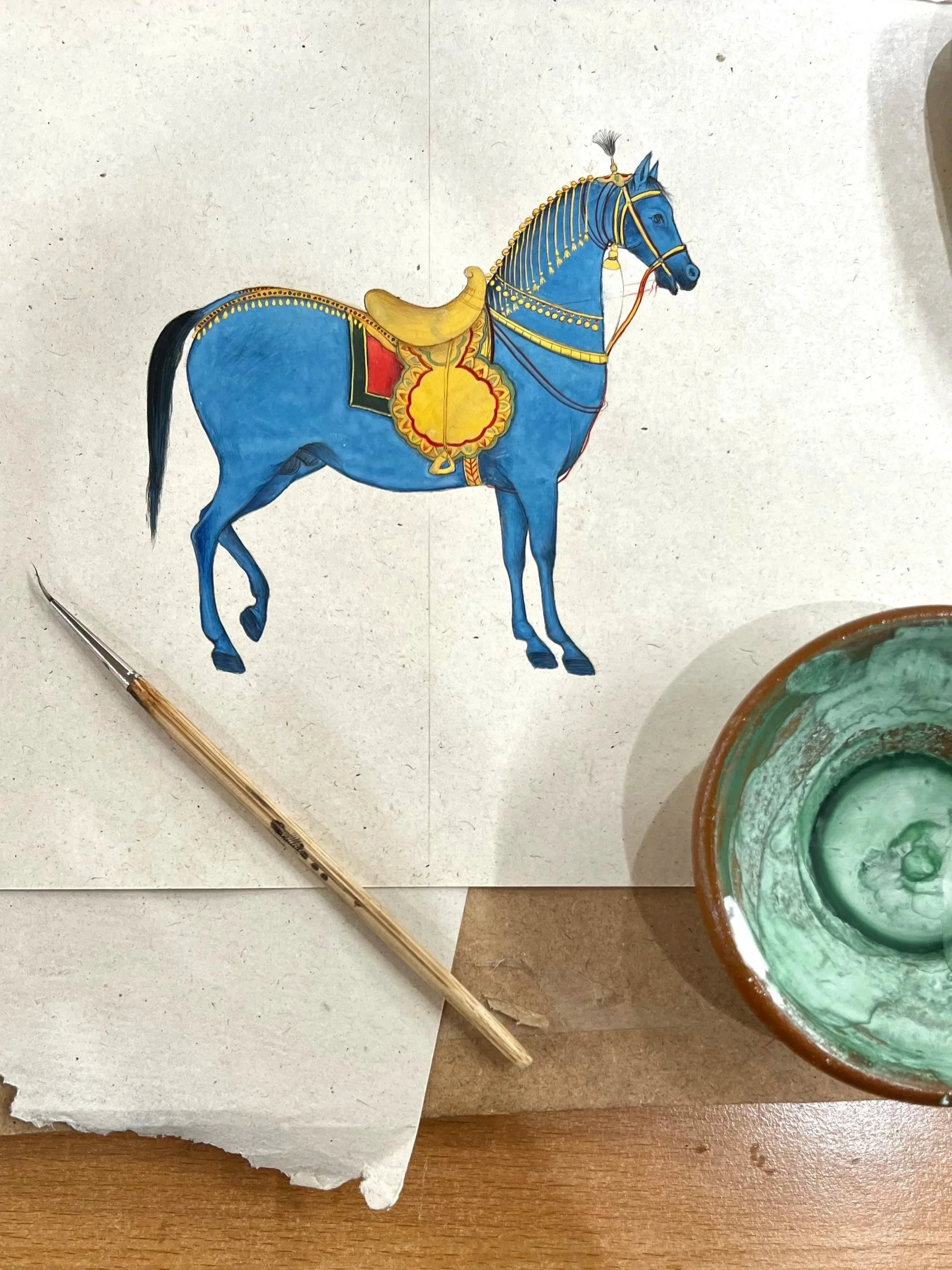
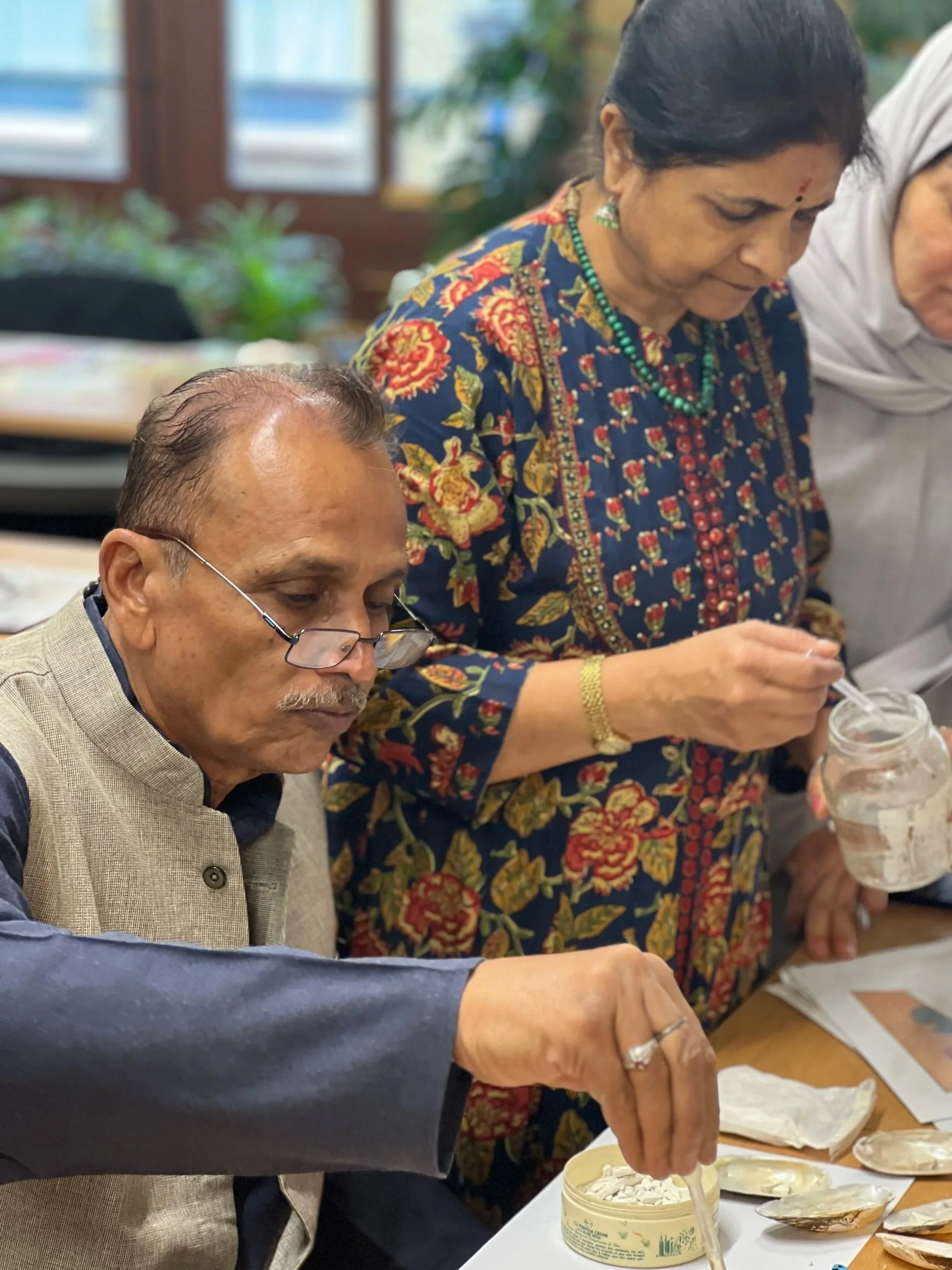
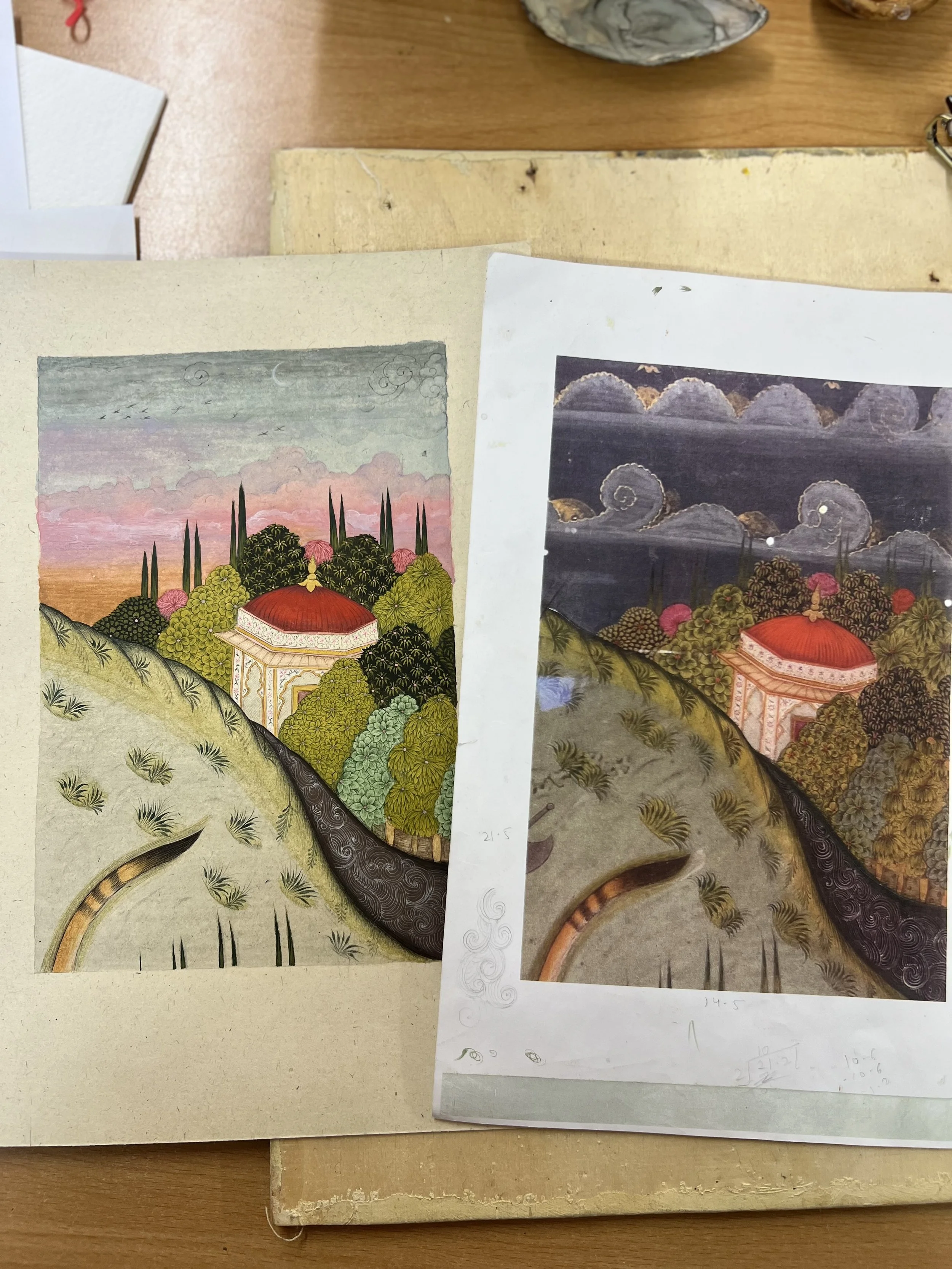
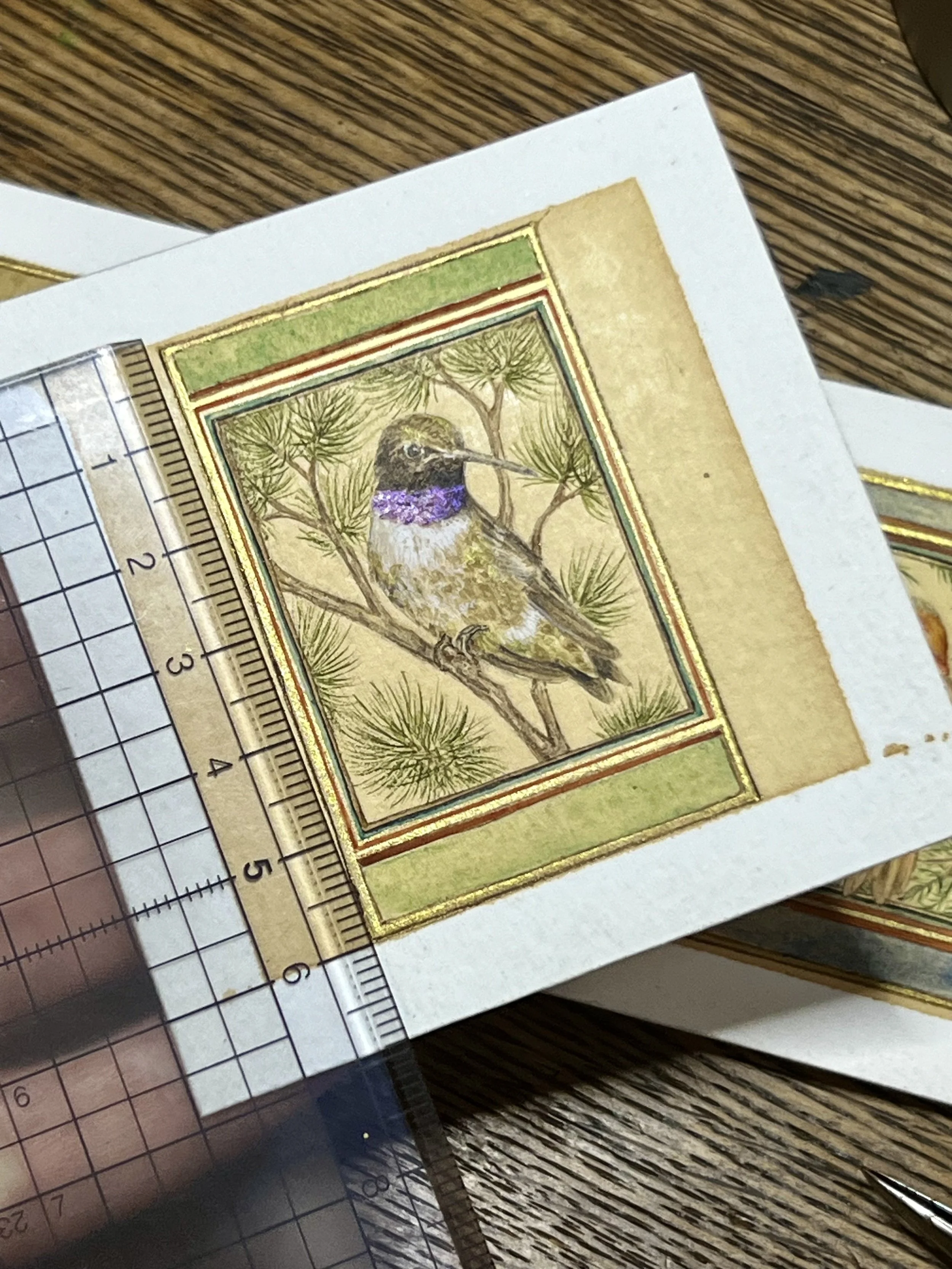
A few years ago I came across traditional miniature painting quite by chance, or more likely as a predestined culmination of micro decisions made across many lifetimes. I signed up for a short online course in Persian Miniature painting and then later happened to be in New York at a time when an exhibition of Mughal Indian miniature painting was on show at the Met. I was awestruck by what I saw, and soon found myself attending courses in this style of painting at the Kings School of Traditional Arts in London with master teachers Ajay and Vinita Sharma, who would travel from India to teach at the school.
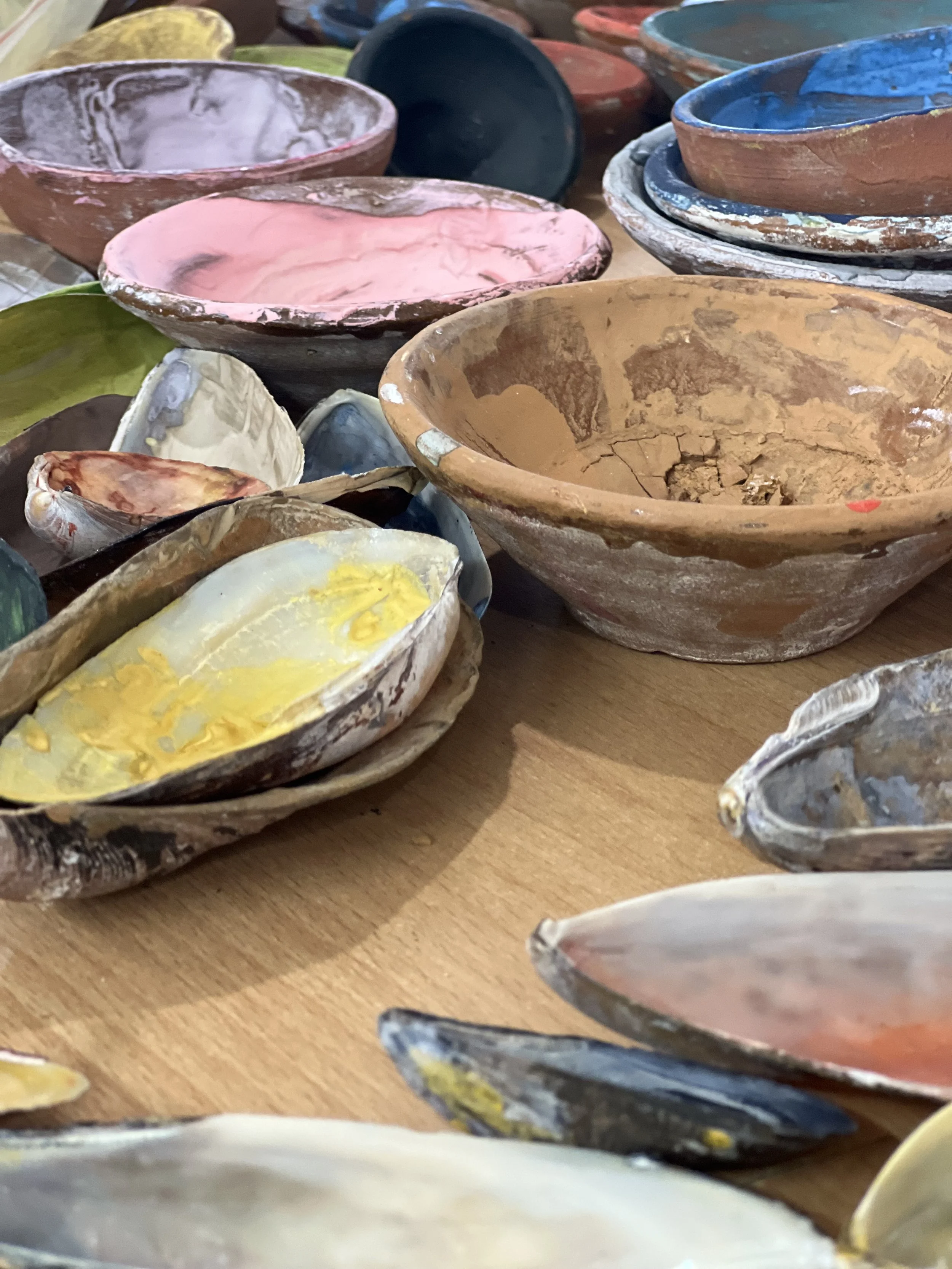
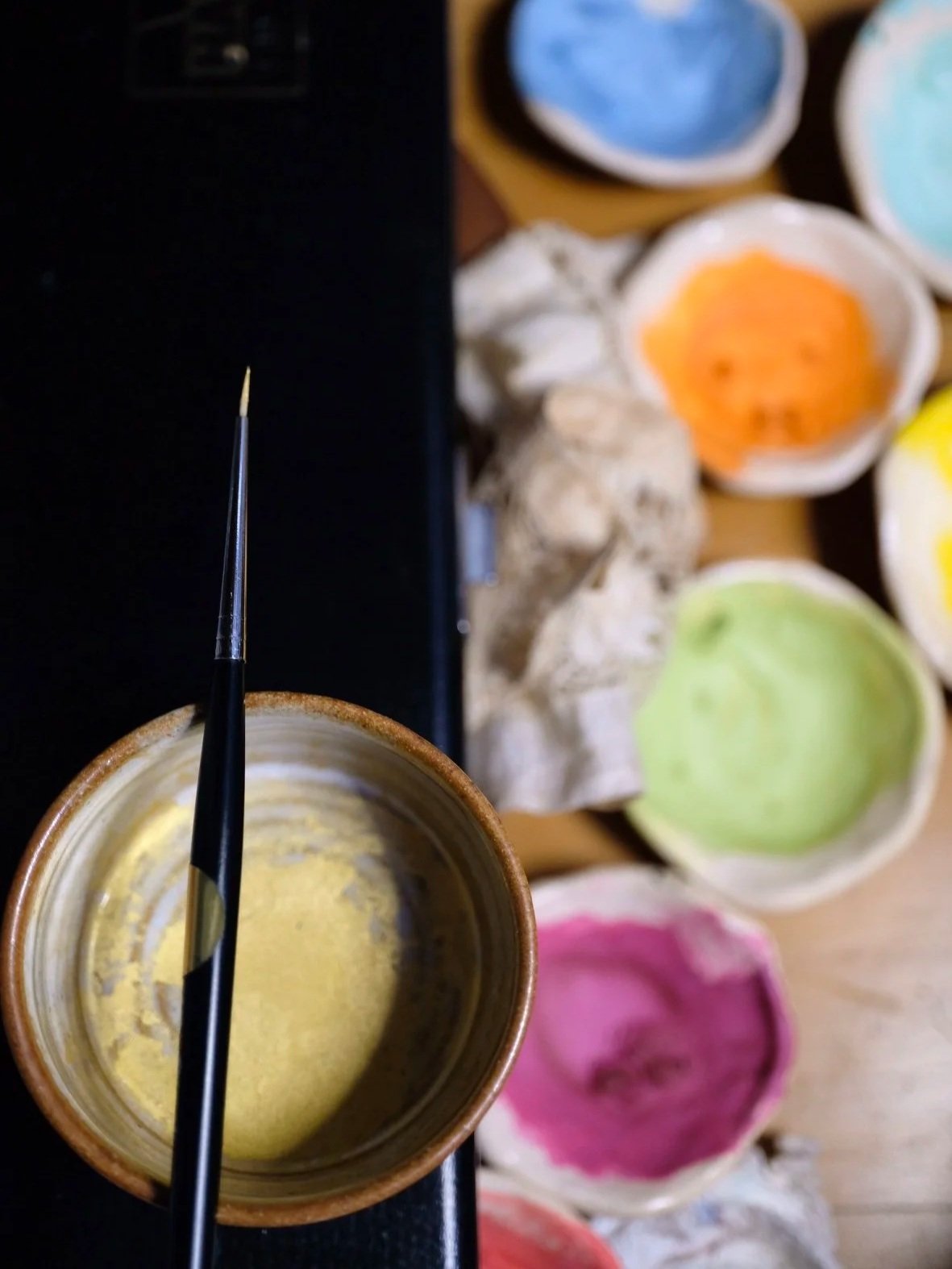
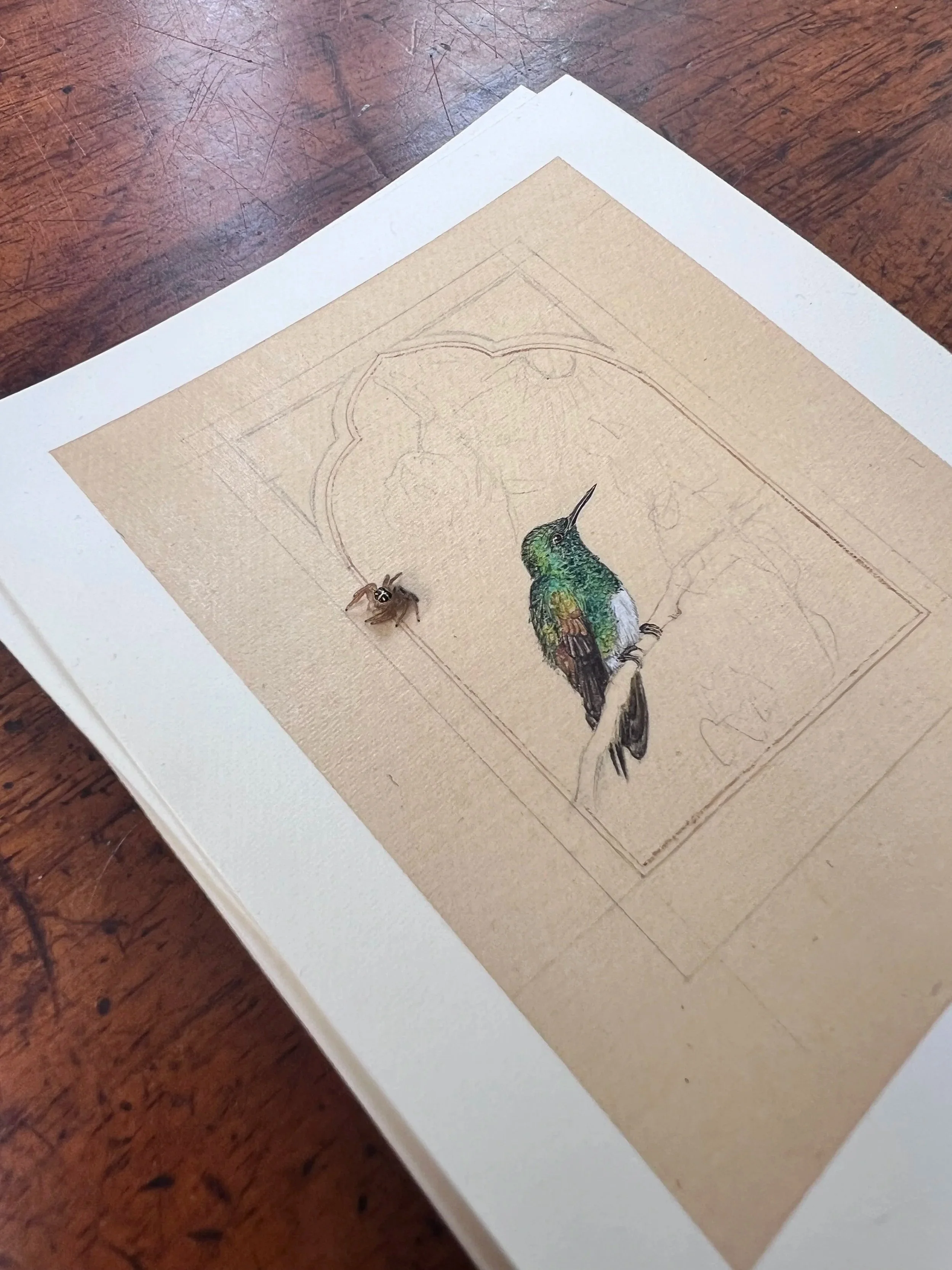
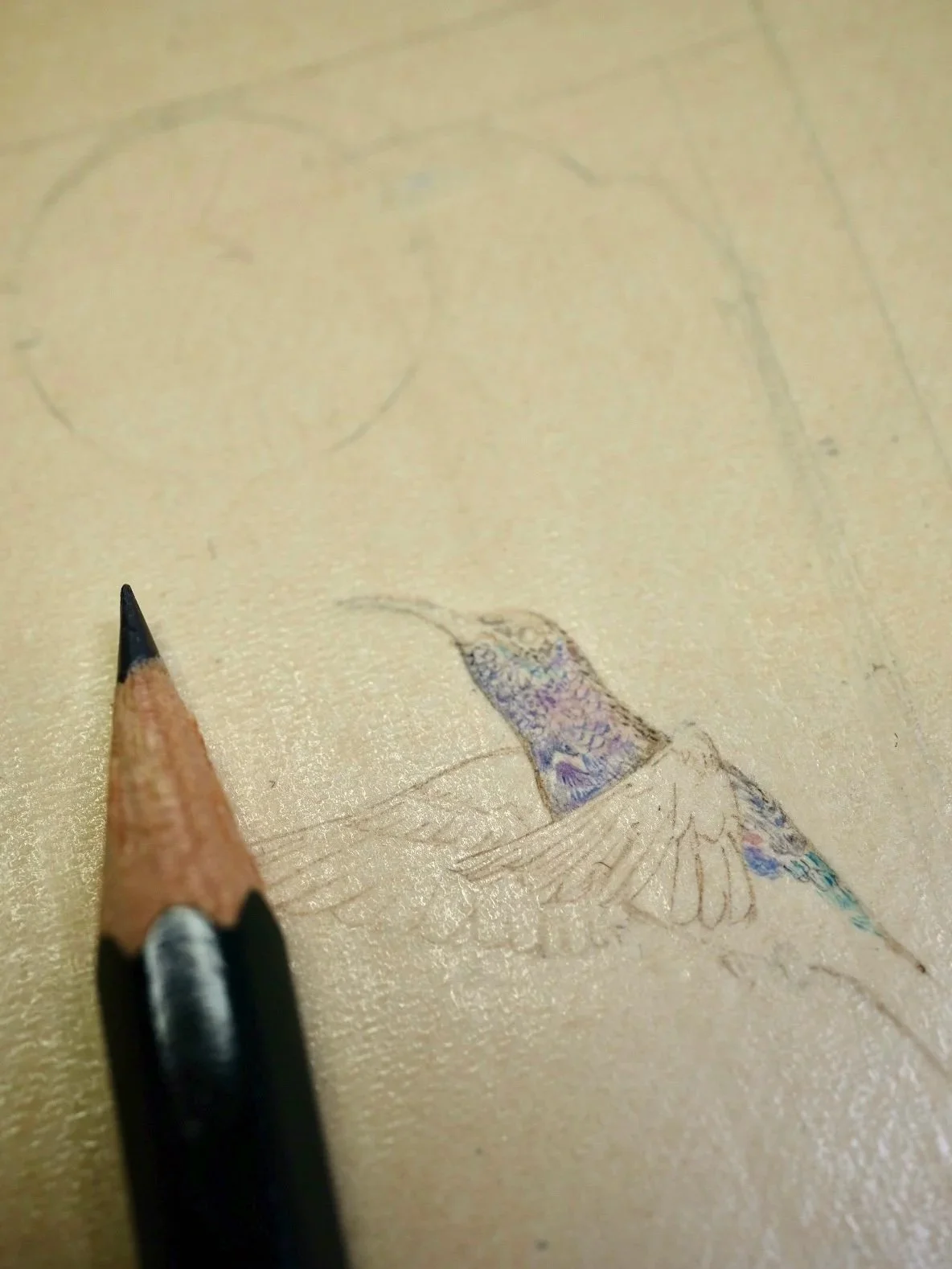
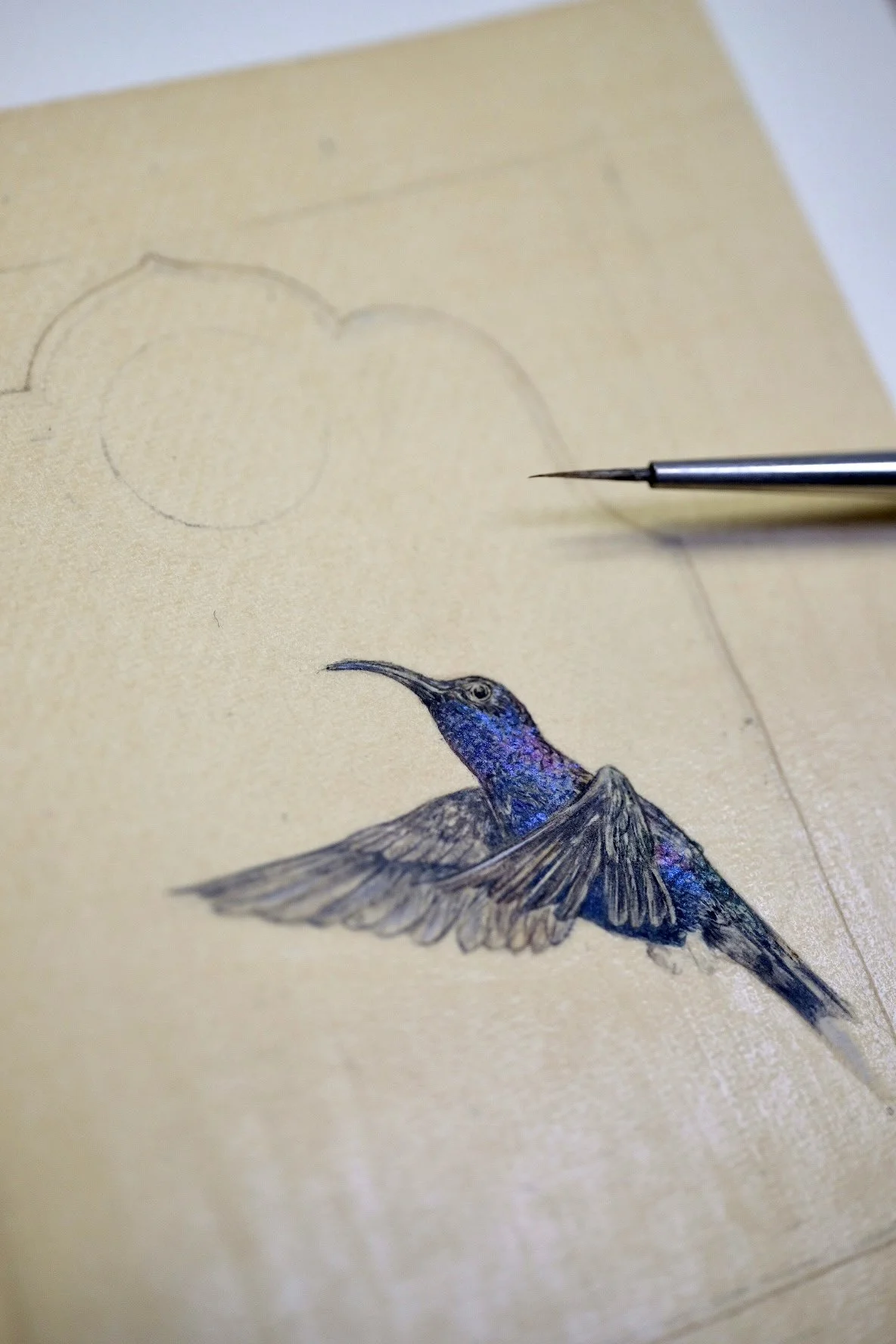
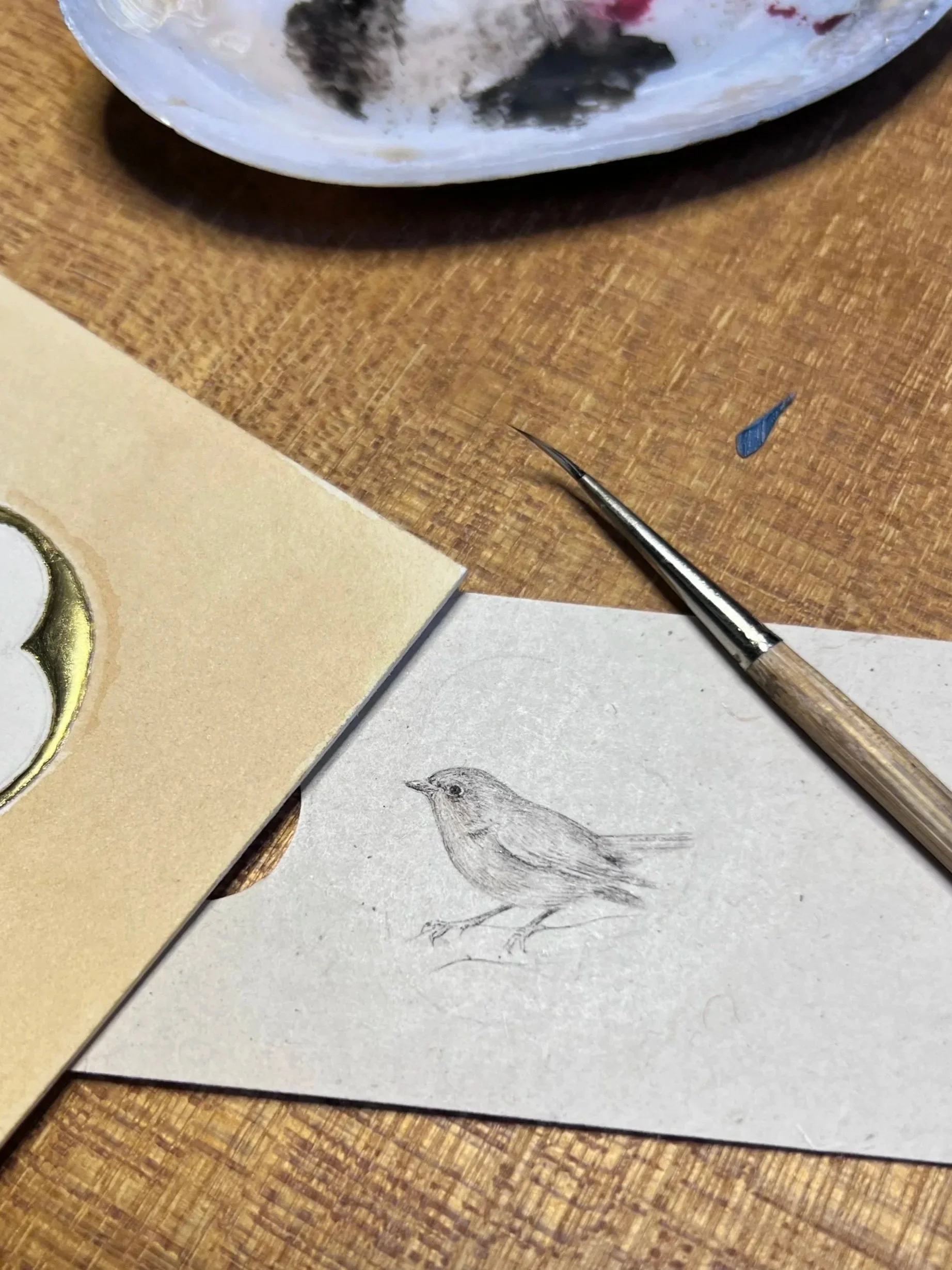
Traditional miniature painting doesn’t necessarily equate to paintings that are small in size - they can be quite large, however the level of detail, tools and materials used, and scale of subject matter all point in the direction of ‘miniature’. Paintbrushes made from curved squirrel hairs taper into a single hair, a point that can render a level of detail that I can only aspire to achieve. Paper (cotton watercolour or traditionally hemp) is prepared with layers of starch that are burnished with an agate stone or large cowry shell, creating a very smooth surface in order to receive these incredibly fine marks. With each layer of paint the surface is repeatedly burnished to ready itself for the next layer of detail. Genuine 24kt shell gold is used for the final embellishments - this is a careful process of breaking down sheets of gold leaf with a balance of gum arabic, rinsing and straining the mixture until only the fine particles of gold remain at the bottom of the dish. Once all liquid has evaporated the remains are ready to be used as a paint.
All components of this process occur at a pace that quietens the mind and where rushing is rewarded with little forgiveness. I am immensely grateful to be able to devote my time to a technique that requires the practice of presence and intentionality, and one that relies on gentle human touch. I give thanks to my hands, and to my eyes, to all my materials and the hands that made them, and to be able to be part of the chain of teachers and students preserving this knowledge across centuries.